
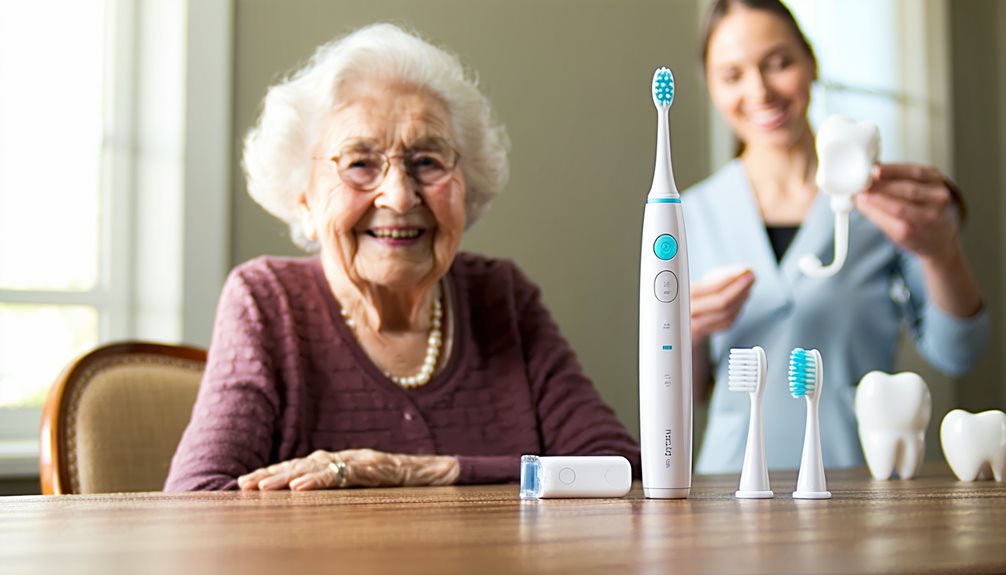
The best oral care options for the elderly include routine dental check-ups and using proper hygiene products such as electric toothbrushes and fluoride toothpaste. Antimicrobial mouthwashes and interdental cleaners like floss picks or water flossers help maintain gum health. Effective denture care is facilitated by daily cleaning and using hypoallergenic adhesives for comfort. Prompt emergency dental care and dietary considerations—such as calcium-rich foods and reduced sugar intake—are essential for maintaining oral health. Staying informed about these practices guarantees enhanced dental well-being and offers further insights into maintaining peak oral health.
Routine Dental Check-Ups
Routine dental check-ups play a significant role in maintaining oral health, especially for the elderly, by facilitating the early detection and prevention of potential dental issues. The importance of check-ups cannot be overstated, as they serve as a cornerstone in the proactive management of oral health for aging populations.
Regular visits to dental professionals enable the monitoring of gum health, identification of cavities, and assessment of any changes in oral tissues. This proactive approach is vital, as elderly individuals are more susceptible to dental conditions such as periodontal disease and oral cancers.
The frequency of visits is essential in ensuring thorough oral health care for the elderly. It is generally recommended that elderly patients schedule dental check-ups at least biannually, although specific needs may require more frequent visits.
An individualized approach, considering each patient’s unique medical history and current health status, allows for ideal scheduling. Innovative diagnostic tools, such as digital imaging and advanced screening methods, have revolutionized the precision of routine check-ups, making them more efficient and informative.
Denture Maintenance Tips
Proper denture maintenance is essential for preserving both the functionality and longevity of dental prosthetics in the elderly.
Advanced denture cleaning techniques are crucial in preventing bacterial buildup and ensuring peak oral hygiene. It is recommended to clean dentures daily using a soft-bristled brush and a non-abrasive denture cleanser to avoid surface degradation. Immersing dentures in a specialized soaking solution overnight can further enhance cleanliness by dissolving plaque and removing stains, thereby reducing the risk of oral infections.
Equally important is the correct application of denture adhesives, which can greatly enhance comfort and stability. Adhesive application tips include applying a minimal amount in a series of small dots or strips, avoiding the edges to prevent overflow. It is imperative to follow the manufacturer’s instructions to maximize adhesive efficacy and facilitate ease of removal during cleaning.
For those seeking innovative care options, ultrasonic cleaners provide an efficient, hands-free method to remove stubborn debris, utilizing high-frequency sound waves.
Additionally, exploring hypoallergenic adhesives can benefit individuals with sensitive gums, offering both security and comfort. By integrating these advanced denture maintenance practices, elderly individuals can maintain their prosthetics in prime condition, ultimately enhancing their quality of life.
Managing Gum Health
Maintaining ideal gum health in the elderly is essential in preventing periodontal diseases, which are prevalent in this age group.
Regular dental checkups play a pivotal role in early detection and management of gum-related issues, ensuring timely intervention and treatment.
Implementing preventive measures, such as proper oral hygiene and routine professional cleanings, can greatly reduce the risk of gum disease and promote overall oral health.
Preventing Gum Disease
Gum disease, affecting nearly half of adults aged 30 and older in some populations, poses a considerable threat to oral health, particularly in the elderly. The condition often results from plaque build-up that leads to inflammation and, if untreated, can progress to periodontal disease. Effective inflammation prevention is essential in mitigating this risk.
Innovative oral care regimens emphasize meticulous oral hygiene, including twice-daily brushing with fluoride toothpaste and daily flossing to disrupt plaque accumulation. In addition, adopting antimicrobial mouth rinses can further thwart bacterial proliferation.
Recent advancements in oral care technology offer electric toothbrushes with timers and pressure sensors, ensuring thorough and gentle cleaning. Furthermore, dietary interventions play an important role; a diet rich in omega-3 fatty acids, antioxidants, and vitamin C can bolster gum health by reducing inflammation.
Integrating these strategies can greatly minimize the incidence of gum disease among the elderly. Regular saliva flow is also essential, as it naturally cleanses the mouth and neutralizes acids. Encouraging elderly individuals to stay hydrated and use saliva-stimulating products can combat xerostomia, a common issue that exacerbates gum disease.
Ensuring Regular Checkups
Regular dental checkups can play an essential role in managing gum health, particularly for the elderly population. As individuals age, they may experience a variety of oral health issues, including an increased risk of gum disease due to systemic health conditions and medications. Early detection through routine evaluations is critical, making the importance of checkups paramount.
Professional assessments facilitate the early identification of periodontal problems, allowing for timely intervention and personalized treatment plans. This proactive approach not only mitigates the progression of gum disease but also enhances overall oral hygiene and quality of life for the elderly.
Scheduling appointments with a dental professional should be regarded as a strategic component of thorough oral care for seniors.
Innovations in dental technology, such as digital imaging and laser treatments, enable practitioners to deliver precise diagnoses and minimally invasive therapies.Such advancements can streamline the checkup process, making it more efficient and less intimidating for elderly patients.
Ultimately, embracing a routine checkup schedule empowers elderly individuals to maintain peak gum health, thereby reducing the risk of more severe oral health complications.
Emergency Dental Care
When unexpected dental issues arise, particularly in elderly individuals, the need for prompt and effective emergency dental care becomes critical. Tooth trauma, for instance, can occur due to accidental falls or weakened dental structures, necessitating immediate attention to prevent long-term complications.
Emergency procedures in dental care encompass a range of interventions designed to alleviate pain, prevent infection, and restore functionality. For the elderly, these procedures must be tailored to accommodate their unique physiological and health conditions.
Advanced diagnostic tools, such as digital radiography and intraoral cameras, facilitate precise identification of dental issues, enabling clinicians to develop targeted treatment plans swiftly. Techniques like pulpotomy or root canal therapy can be employed to address severe tooth damage or decay, guaranteeing that the integrity of the oral cavity is maintained.
Additionally, innovations in dental materials, such as biocompatible adhesives and restoratives, offer enhanced outcomes in emergency settings.
For caregivers and healthcare providers, understanding the protocols for emergency dental care is vital. This knowledge guarantees the elderly receive timely and effective interventions, minimizing distress and fostering oral health resilience.
In an era of rapid technological advancement, staying informed about emergent dental solutions is essential for the best elderly care.
Oral Hygiene Products
A myriad of oral hygiene products are available to support the dental health of the elderly, each designed to address specific needs associated with aging. The selection of appropriate tools and formulations can greatly enhance oral care routines, ensuring both efficacy and comfort.
Key considerations in choosing these products involve toothbrush selection and toothpaste options, both of which are critical to maintaining ideal oral health in older adults.
-
Toothbrush Selection: An electric toothbrush with a larger handle and oscillating bristles can offer superior plaque removal and ease of use for those with limited manual dexterity. Soft-bristle brushes are recommended to prevent gum irritation.
-
Toothpaste Options: Toothpastes containing fluoride and remineralizing agents are essential for strengthening enamel and preventing decay. Formulations with potassium nitrate or strontium chloride can alleviate sensitivity, a common issue in the elderly population.
-
Mouthwash: Antimicrobial mouthwashes with chlorhexidine or essential oils can reduce bacterial load, offering an additional layer of protection against gum disease.
-
Interdental Cleaners: Floss picks or water flossers can be more manageable alternatives to traditional flossing, especially for those with arthritis or reduced tactile sensation.
These innovative products collectively aim to preserve dental health, enhancing quality of life for the elderly.
Dietary Considerations for Teeth
Proper dietary considerations are fundamental to maintaining ideal oral health, particularly in elderly individuals. As age advances, the body’s ability to absorb and utilize nutrients effectively may diminish, necessitating a focus on optimal nutrition to support oral structures.
Calcium sources are paramount, as this mineral plays a critical role in maintaining the density and integrity of teeth. Innovative dietary strategies should include the consumption of calcium-rich foods such as dairy products, fortified plant-based milks, leafy greens, and almonds. These options provide necessary calcium, thereby reducing the risk of dental caries and tooth loss among the elderly.
Equally important is the management of sugar intake, which has direct implications for oral health. The adoption of sugar alternatives can considerably decrease the risk of cavities while satisfying the need for sweetness.
Alternatives such as xylitol, erythritol, and stevia are advantageous, as they do not ferment and produce acids that erode tooth enamel. Additionally, these sugar substitutes have been shown to possess antimicrobial properties, further enhancing oral health.
Frequently Asked Questions
How Can Caregivers Assist With Elderly Oral Care Routines?
To enhance oral hygiene in elderly individuals, caregivers should implement innovative caregiver tips, such as utilizing adaptive dental tools, establishing consistent routines, and fostering a supportive environment for regular dental check-ups, ensuring thorough oral care and health maintenance.
Are There Special Toothbrushes Designed for Arthritis Patients?
Yes, specialized toothbrushes are available for arthritis patients, featuring ergonomic handles to enhance grip and control. These toothbrushes often include soft bristles, reducing gum irritation while ensuring effective plaque removal, thereby catering to innovative oral care needs.
What Are the Signs of Oral Cancer in Seniors?
Oral cancer symptoms in seniors include persistent sores, unexplained bleeding, white or red patches, difficulty swallowing, and changes in speech. Regular monitoring and professional evaluations are essential for maintaining senior oral health and ensuring early detection and intervention.
How Does Medication Affect Oral Health in the Elderly?
Medication side effects in the elderly can greatly impact oral health, often causing dry mouth, gingival overgrowth, or altered taste. Prioritizing innovative oral hygiene practices can mitigate these effects, promoting overall oral well-being in geriatric populations.
What Are Alternative Treatments for Dry Mouth in Older Adults?
Alternative treatments for dry mouth in older adults include the use of saliva substitutes and herbal remedies. Saliva substitutes mimic natural saliva, providing moisture, while herbal remedies such as aloe vera and chamomile may stimulate saliva production and enhance oral comfort.
Conclusion
In summary, ideal oral care for the elderly involves a multifaceted approach that includes regular dental check-ups, diligent denture maintenance, and effective management of gum health. Emergency dental care should be readily accessible, while the selection of appropriate oral hygiene products is essential for maintaining oral health. Furthermore, dietary considerations play an important role in supporting dental health by reducing the risk of decay and gum disease. A thorough strategy can greatly enhance oral health outcomes in elderly populations.

