
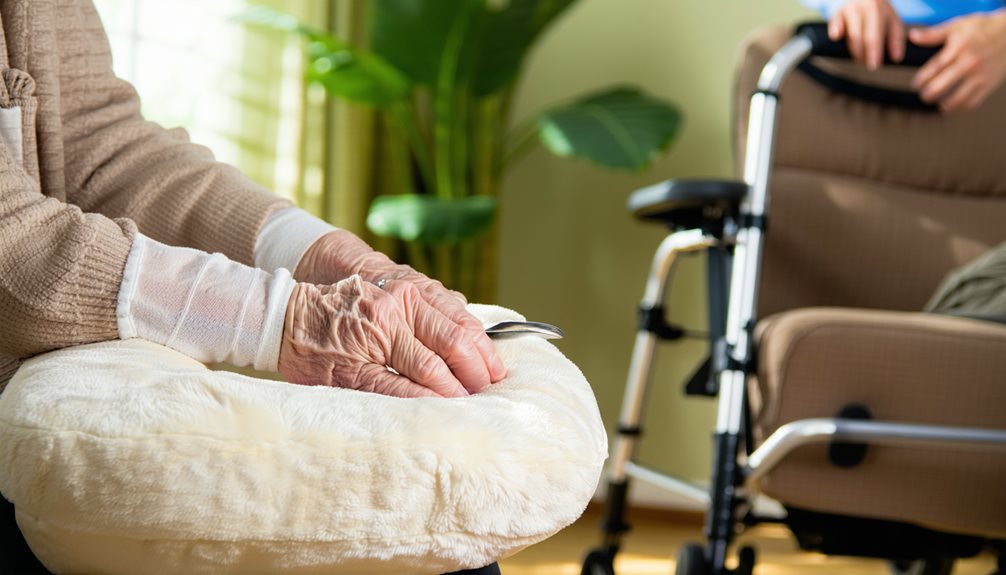
Arthritis-friendly geriatric care focuses on guaranteeing comfort and accessibility in dental and overall health management. Choosing a dentist sensitive to arthritis-related needs is vital for accommodating specific challenges. Clinics should prioritize accessibility, featuring ergonomic and adjustable dental chairs to facilitate ease and safety. The use of specialized tools like ergonomic toothbrushes and electric flossers empowers patients with limited dexterity, while fostering open communication supports personalized care. Encouraging regular dental visits and promoting at-home dental routines guarantee thorough oral health. Adopting these strategies can greatly enhance quality of life, leading to further insights into holistic care practices.
Choose an Arthritis-Sensitive Dentist
Selecting an arthritis-sensitive dentist can greatly enhance the dental care experience for individuals with arthritis, particularly in the geriatric population. Such a dentist not only understands the physiological challenges posed by arthritis but also employs innovative techniques to guarantee patient comfort and effective pain management.
Choosing a professional with a compassionate approach can greatly alleviate the anxieties associated with dental visits, which can be intimidating for those with limited mobility and chronic pain.
Evidence-based practices in dentistry emphasize the importance of personalized care. Dentists who are sensitive to arthritis patients may utilize advanced ergonomic tools designed to minimize discomfort during procedures.
They may also offer supportive seating arrangements that accommodate joint pain and stiffness. Additionally, these professionals are adept at employing minimally invasive techniques, reducing the strain on patients’ bodies while maintaining ideal oral health.
Incorporating cutting-edge pain management strategies, such as local anesthetics tailored to the needs of arthritis sufferers, guarantees a more comfortable experience.
An arthritis-sensitive dentist is well-versed in recognizing the unique needs of the geriatric population and is committed to fostering an environment where innovative care meets compassionate understanding, ultimately enhancing the quality of dental health for those with arthritis.
Prioritize Accessible Clinic Facilities
Accessibility is a cornerstone of effective geriatric care, particularly for patients with arthritis. As mobility challenges increase with age, designing clinic facilities that are both welcoming and functional becomes essential. Ensuring wheelchair accessibility is a primary consideration. This involves not just ramps and elevators, but also automated doors and wide corridors that allow easy maneuvering of mobility aids.
Evidence-based design approaches recommend the use of non-slip flooring and strategically placed handrails to further enhance safety and ease of movement.
Clear and intuitive signage is also critical. Signage clarity facilitates navigation and reduces cognitive load, making it easier for patients to locate various departments and services within the clinic. Large, high-contrast fonts and pictograms are effective, particularly for those with visual impairments.
The use of innovative digital wayfinding tools can further enhance patient experience by providing real-time navigation assistance.
Empathy in design translates to more than just meeting regulatory standards. It requires an understanding of the unique challenges faced by arthritis patients. By prioritizing accessibility, clinics not only improve patient satisfaction but also contribute to better health outcomes.
This patient-centered approach to facility design is an essential step in modernizing geriatric care for an aging population.
Opt for Adjustable Dental Chairs
Incorporating adjustable dental chairs into geriatric care settings is a significant consideration for accommodating patients with arthritis, who often experience limited mobility and joint pain. As these patients face daily challenges, providing an environment that prioritizes patient comfort and accessibility is essential.
Adjustable dental chairs offer the flexibility to modify chair height and positioning, allowing for seamless shifts in and out of the chair, greatly reducing physical strain on arthritic joints.
From a medical standpoint, adjustable height features are not merely a convenience but a necessity. They guarantee ideal ergonomic positioning, which is critical for both patient safety and clinician efficiency.
When chairs are tailored to the needs of the patient, the risk of exacerbating joint pain or causing additional discomfort is minimized. This adaptability is instrumental in delivering quality care while fostering a more inclusive environment for geriatric patients.
Moreover, the innovation embedded in these adjustable chairs reflects a forward-thinking approach that aligns with contemporary healthcare strategies.
By integrating these chairs, clinics can set a benchmark for arthritis-friendly practices, reinforcing their commitment to empathetic and evidence-based care.
Ultimately, such advancements in dental care infrastructure contribute to enhanced patient satisfaction and improved health outcomes.
Utilize Specialized Dental Tools
Embrace the advantages of specialized dental tools, which play an essential role in enhancing geriatric care, especially for patients with arthritis. As arthritis can greatly impede dexterity and grip strength, the innovation of dental tools tailored for this demographic is imperative.
Dental tool innovation has led to the development of ergonomic designs that cater specifically to the needs of elderly patients with joint inflammation. These tools not only facilitate ease of use for dental professionals but also enhance comfort and safety for patients during procedures.
Ergonomic dental tools are engineered to minimize strain and optimize efficiency. For instance, lightweight handpieces with contoured grips reduce the necessity for excessive force, accommodating limited range of motion and decreased hand strength.
Additionally, some tools feature anti-vibration technology, further enhancing the experience for both practitioners and patients. Evidence suggests that such tailored tools can lead to improved outcomes, including reduced procedural time and increased patient satisfaction.
The integration of specialized dental tools into geriatric dentistry underscores a commitment to innovative care. By leveraging these advancements, dental professionals can provide more effective, compassionate treatment, addressing the unique needs of arthritis-afflicted elderly patients in a progressive manner.
Encourage Regular Dental Visits
Regular dental visits play a vital role in maintaining oral health, particularly for older adults with arthritis who may face challenges in daily dental hygiene.
Professional cleanings and evaluations can help prevent gum disease, which is linked to systemic conditions and may pose greater risks for individuals with compromised health.
Additionally, dental professionals can recommend specific dental hygiene tools tailored to accommodate arthritis-related limitations, ensuring effective at-home care.
Oral Health Maintenance
Amidst the complexities of geriatric care, maintaining oral health is often an overlooked, yet essential component that greatly impacts overall well-being.
As we age, the challenges of oral hygiene become more pronounced, particularly for those with arthritis. The dexterity required for effective brushing and flossing can be considerably compromised, leading to increased dental sensitivity and a decline in oral health.
As a result, innovative approaches to oral care must be adopted to guarantee seniors’ dental needs are met without additional strain.
Evidence-based strategies such as using electric toothbrushes with ergonomic handles can considerably enhance oral hygiene by reducing the physical burden on arthritic hands.
Additionally, incorporating water flossers can mitigate the challenges of traditional flossing methods, making the process more accessible and efficient.
These tools not only promote better oral hygiene but also help prevent the discomfort associated with dental sensitivity.
Regular dental visits remain paramount, enabling timely interventions and personalized care plans.
Dental professionals can provide tailored advice to adapt oral care routines, considering the unique challenges faced by seniors with arthritis.
Preventing Gum Disease
Many overlook the significance of gum disease prevention in geriatric care, yet it remains a critical aspect of maintaining overall health.
Periodontal disease, commonly known as gum disease, is a prevalent issue among older adults and can exacerbate systemic inflammatory conditions like arthritis.
Consequently, it is essential for healthcare providers and caregivers to prioritize dental health in their thorough care plans for seniors.Evidence highlights the correlation between oral health and systemic well-being, underscoring the need for innovative approaches in preventive care. Encouraging regular dental check-ups offers a proactive strategy in managing gum disease prevention.
These visits allow for early detection of periodontal issues and enable timely interventions, minimizing the risk of more severe health complications. Additionally, dental professionals can tailor advice and treatments to accommodate the unique needs of geriatric patients who may experience difficulty in maintaining ideal oral hygiene due to arthritis-related limitations.
Incorporating regular dental visits into geriatric care routines not only enhances dental health but also contributes to overall quality of life, ensuring that seniors maintain both their autonomy and well-being.
Dental Hygiene Tools
While maintaining oral health poses unique challenges for seniors, especially those with arthritis, the use of specialized dental hygiene tools can greatly alleviate these difficulties and encourage regular dental visits. Ergonomic toothbrushes, designed with larger handles and non-slip grips, offer enhanced control and reduced strain on arthritic joints, making daily brushing more feasible for older adults. These toothbrushes often feature angled heads to reach difficult areas, ensuring thorough cleaning that can reduce the risk of dental complications.
In addition to ergonomic toothbrushes, adaptive flossing devices are essential in promoting effective plaque removal. These tools, such as floss holders or electric flossers, are designed to compensate for limited dexterity, allowing seniors to maintain their oral hygiene routine without exacerbating joint pain. By facilitating easier access to interproximal spaces, they minimize the risk of gum disease, a common concern in the geriatric population.
Evidence suggests that integrating these innovative tools into daily routines not only enhances oral health but also boosts confidence in maintaining dental appointments. Regular dental visits are vital for early detection of potential issues and personalized care adjustments.
Foster Open Communication
In the context of arthritis-friendly geriatric care, fostering open communication is essential for optimizing patient outcomes and enhancing the quality of life for older adults. Engaging in active listening is a cornerstone of effective communication, allowing healthcare providers to truly understand the unique challenges faced by patients with arthritis. This practice involves not only hearing the words spoken by patients but also acknowledging their emotions and non-verbal cues. Active listening helps build trust and encourages patients to express their concerns and preferences, promoting a patient-centered approach.
Incorporating patient feedback into the care plan is another crucial aspect of open communication. By valuing the insights and experiences shared by patients, healthcare professionals can tailor interventions to better meet individual needs. This collaborative approach empowers patients, fostering a sense of ownership in their care and enhancing adherence to therapeutic regimens. Evidence suggests that when patients feel heard and involved, there is a notable improvement in health outcomes and satisfaction.
Embracing innovative communication strategies, such as digital health tools, can further enhance interaction between patients and providers. These innovations offer opportunities for continuous dialogue, ensuring that care remains responsive to the evolving needs of older adults with arthritis.
Implement At-Home Dental Routines
Maintaining at-home dental routines is essential for older adults, particularly those with arthritis, to prevent oral health complications that can exacerbate their condition.
Arthritis can limit dexterity, making traditional dental care challenging. Innovative at-home techniques can empower older adults, promoting dental motivation and autonomy while addressing these challenges.
-
Electric Toothbrushes: These devices simplify brushing, reducing the manual effort required, and can be particularly beneficial for those with limited hand mobility.
-
Flossing Alternatives: Water flossers or interdental brushes can be effective substitutes for traditional floss, easing the process and enhancing accessibility for arthritis sufferers.
-
Ergonomic Handles: Adapting toothbrushes with larger, cushioned handles can improve grip and reduce strain, fostering a more comfortable experience and encouraging regular use.
-
Scheduled Routines: Establishing a consistent daily schedule for brushing and flossing can enhance motivation and guarantee these essential practices become habitual.
Frequently Asked Questions
How Can Dietary Changes Help Manage Arthritis Symptoms in Geriatric Patients?
Dietary changes, including the incorporation of anti-inflammatory foods and dietary supplements, can alleviate arthritis symptoms in geriatric patients. Identifying and avoiding food sensitivities may reduce inflammation, thereby enhancing mobility and quality of life in this population.
What Are Effective Pain Management Techniques for Seniors With Arthritis?
Effective pain management for seniors with arthritis includes heat therapy to alleviate stiffness and enhance circulation. Incorporating mindfulness techniques can also reduce pain perception by promoting relaxation and mental resilience, offering a holistic approach to symptom management.
How Does Arthritis Affect Overall Oral Health in Elderly Patients?
Arthritis can impede oral hygiene practices, leading to compromised dental care in elderly patients. Limited dexterity may result in inadequate brushing and flossing, increasing the risk for periodontal disease, cavities, and subsequent oral health complications.
Are There Specific Exercises Recommended for Elderly Individuals With Arthritis?
Elderly individuals with arthritis may benefit from specific exercises such as gentle stretching and aquatic therapy. These activities enhance joint flexibility and reduce pain, providing an innovative, evidence-based approach to improving mobility and overall well-being.
What Role Do Anti-Inflammatory Medications Play in Arthritis Management?
Anti-inflammatory medications, including NSAIDs and corticosteroids, are essential in arthritis management. They form part of extensive treatment strategies, alleviating pain and inflammation, thereby enhancing quality of life and enabling innovative approaches to active aging and mobility.
Conclusion
In summary, managing dental care for geriatric patients with arthritis necessitates a thorough approach that integrates accessibility, specialized equipment, and proactive communication between healthcare providers and patients. Emphasizing arthritis-sensitive practices, such as selecting appropriate dental tools and chairs, can notably enhance patient comfort and care quality. Encouraging regular dental visits and fostering open dialogue further guarantees that treatment plans are effectively tailored to individual needs. Implementing these strategies supports improved oral health outcomes and overall well-being for this vulnerable population.

