
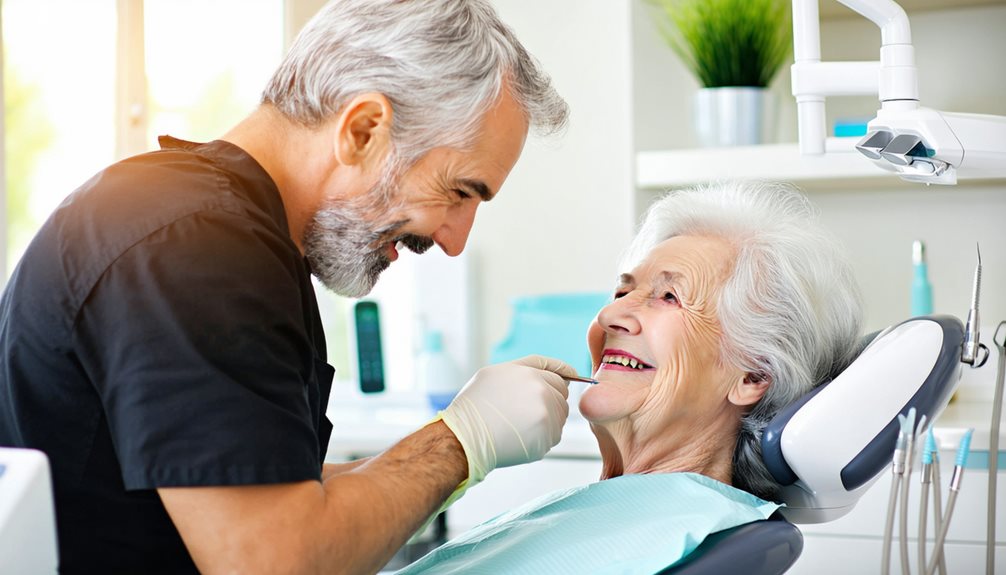
Top geriatric oral care experts provide specialized services that cater to the unique dental needs of elderly patients. These services involve thorough dental assessments utilizing advanced tools to diagnose conditions like periodontal disease and tooth loss accurately. Personalized oral hygiene plans are crafted, considering cognitive impairments and comorbidities, with a focus on modified tools for easier use. Experts address xerostomia with effective management techniques to enhance quality of life, alongside recommending safe, custom-fitted dentures using digital technologies. Preventive measures, including nutrition and hydration strategies, support overall well-being. For more insights into innovative care strategies, explore the leading services available.
Comprehensive Dental Assessments
Recognizing the unique dental needs of the elderly, detailed dental assessments are critical in geriatric oral care. With aging populations facing a myriad of geriatric challenges, including periodontal disease, tooth loss, and xerostomia, thorough evaluations are essential for effective management.
Dental professionals must employ advanced assessment tools to accurately identify and address these age-specific issues. Innovations in diagnostic technologies, such as digital imaging and intraoral scanning, allow for precise analysis of oral health conditions, facilitating targeted treatment plans tailored to the geriatric demographic.
A robust assessment framework goes beyond mere clinical examination; it integrates a holistic view of the patient’s overall health status, medication regimen, and cognitive function, all of which can profoundly impact oral health. This patient-centered approach guarantees that the unique physiological and psychological aspects of aging are considered, leading to more personalized and effective care strategies.
Additionally, interdisciplinary collaboration is paramount. Geriatric dentists should coordinate with other healthcare professionals to guarantee a thorough understanding of the patient’s health landscape.
Personalized Oral Hygiene Plans
Crafting personalized oral hygiene plans for geriatric patients is a critical component of thorough dental care, addressing the distinct oral health challenges faced by this demographic. As patients age, oral health conditions such as periodontal disease, tooth decay, and reduced dexterity necessitate bespoke strategies that prioritize comfort and efficacy.
Tailored routines are essential, considering factors like cognitive impairment and comorbidities that influence daily oral care capabilities. Oral health professionals adopt a patient-centered approach, integrating clinical assessments with innovative solutions to design hygiene protocols that align with individual needs.
For instance, modified toothbrushes or electric alternatives can be recommended for those with limited hand strength. Fluoride varnishes or specialized mouthwashes may be incorporated to bolster enamel resilience, reducing the risk of caries.
Moreover, personalized plans extend beyond mechanical cleaning, incorporating nutritional guidance and lifestyle modifications that support holistic health. Regular follow-ups and adaptive strategies guarantee that routines remain relevant and effective as the patient’s condition evolves.
Management of Dry Mouth
Managing xerostomia, or dry mouth, in geriatric patients is essential to maintaining oral health and overall quality of life. This condition arises due to reduced salivary gland function, often exacerbated by medications or systemic health issues prevalent in older adults. Clinicians must adopt a multifaceted approach tailored to individual needs, emphasizing both symptom relief and underlying causative factors.
Saliva substitutes play a vital role in the management strategy. These products, formulated to mimic natural saliva, help in preventing mucosal irritation, enhancing oral lubrication, and facilitating swallowing and speech. Advanced formulations now include enzymes and electrolytes to optimize oral function, presenting innovative solutions for patient comfort.
Hydration strategies form another cornerstone of xerostomia management. Encouraging consistent fluid intake throughout the day is essential. However, innovative approaches such as the use of xylitol-containing lozenges or gums can stimulate residual salivary gland activity, offering dual benefits of hydration and dental health maintenance.
For clinicians, integrating these cutting-edge techniques into a thorough care plan not only addresses immediate symptoms but also contributes to the long-term oral and systemic well-being of geriatric patients, ultimately enhancing their quality of life.
Safe Denture Solutions
Ensuring safe and effective denture solutions for geriatric patients involves careful consideration of denture material options and precise fitting techniques.
Advanced materials such as acrylic resins and flexible polymers offer improved comfort and biocompatibility, reducing the risk of irritation and allergic reactions.
Accurate fitting techniques, including digital impressions and CAD/CAM technology, are critical to optimizing fit, enhancing function, and preventing complications.
Denture Material Options
Selecting the appropriate denture material is a critical aspect of geriatric oral care, influencing both the functionality and comfort of the prosthetic device.
Acrylic dentures are a prevalent choice due to their durability and affordability. Made from polymethyl methacrylate, they provide a robust framework that is ideal for full or partial dentures. Acrylic’s versatility allows for customization regarding size, shape, and color, ensuring a natural aesthetic. However, they may cause discomfort due to their rigidity, especially in patients with sensitive gums.
In contrast, flexible dentures offer an innovative alternative, particularly suitable for patients seeking enhanced comfort. Constructed from thermoplastic materials such as nylon, flexible dentures adapt to the contours of the gums, providing a more snug and secure fit. Their flexibility reduces the risk of irritation and soreness, making them an ideal option for individuals with irregular oral anatomy.
Additionally, flexible dentures are less prone to breakage, offering a resilient solution for active geriatric patients.
When selecting denture materials, clinicians must consider the patient’s unique anatomical and lifestyle needs.
Denture Fitting Techniques
When fitting dentures, it is imperative to employ techniques that prioritize both safety and comfort for geriatric patients.
Key to successful denture fitting is a thorough initial assessment, which involves evaluating alveolar ridges and mucosal condition. This sets the foundation for effective denture adjustments, a critical component in achieving a secure fit.
Advanced impression techniques, such as digital scanning, offer innovative solutions that enhance accuracy, reducing the need for subsequent modifications.
Incorporating contemporary materials and technologies, such as CAD/CAM systems, allows for the creation of highly personalized dentures that cater specifically to the unique oral landscapes of geriatric patients. This approach not only improves fitting comfort but also minimizes the risk of pressure sores and irritation.
Ongoing evaluation and timely denture adjustments are essential to maintaining an ideal fit, accommodating changes in oral anatomy over time.
Preventive Care Techniques
Preventive care in geriatric oral health is vital for maintaining overall well-being and quality of life in older adults. As the oral cavity is a gateway to systemic health, implementing innovative preventive techniques is essential. A key component of such care is understanding the nutritional impact on oral health. Adequate intake of vitamins, minerals, and hydration can greatly reduce the risk of oral diseases such as xerostomia, periodontal disease, and caries.
Encouraging a diet rich in calcium and vitamin D supports oral and bone health, while minimizing sugary and acidic food intake helps prevent enamel erosion.
Caregiver education is also fundamental in preventive care strategies. Caregivers, often the primary support for older adults, should be trained to recognize early signs of oral health issues, understand the importance of daily oral hygiene, and assist in routine dental check-ups.
This patient-centered approach not only empowers caregivers but also guarantees that older adults receive consistent care tailored to their unique needs. Implementing preventive care techniques with a focus on nutrition and caregiver involvement fosters an environment where geriatric patients can maintain ideal oral and systemic health, thereby enhancing their quality of life.
Pain Management Strategies
Effective pain management in geriatric oral care requires a thorough approach that integrates non-pharmacological techniques alongside careful medication considerations.
Techniques such as cognitive behavioral therapy, acupuncture, and relaxation methods can provide significant relief and are particularly beneficial given their minimal side effects.
Concurrently, clinicians must evaluate pharmacological options with heightened caution, due to the altered pharmacokinetics and increased sensitivity to medications in elderly patients.
This ensures that any prescribed analgesics are appropriate for the individual’s overall health profile.
Non-Pharmacological Pain Techniques
Although pharmacological interventions have traditionally dominated pain management strategies, the importance of non-pharmacological techniques, especially in geriatric oral care, is gaining recognition due to their effectiveness and minimized side effects.
Mindfulness techniques and relaxation exercises are at the forefront of these innovative methods, offering a patient-centered approach that emphasizes control and comfort without the complications of medication.
Mindfulness techniques involve teaching patients to focus on the present moment, reducing stress and anxiety associated with oral pain. By cultivating awareness, patients can shift their attention away from pain and towards a sense of peace, which can be particularly beneficial for seniors experiencing chronic discomfort.
Relaxation exercises, such as progressive muscle relaxation and guided imagery, are also valuable tools in the geriatric oral care arsenal. These exercises work by inducing a state of deep relaxation, which can alleviate tension and reduce the perception of pain.
By integrating these techniques into routine oral care, practitioners can enhance patient outcomes and improve quality of life for geriatric populations.
The adoption of these strategies not only reflects a growing trend towards holistic care but also underscores the need for innovative solutions that prioritize patient well-being and autonomy.
Medication Considerations for Seniors
When addressing medication considerations for seniors in pain management, it is essential to recognize the unique pharmacokinetic and pharmacodynamic changes that occur with aging. Older adults often experience altered drug absorption, metabolism, and excretion, necessitating precise dose adjustments and vigilant monitoring.
The potential for medication interactions is heightened due to polypharmacy, a common scenario in geriatric populations managing multiple chronic conditions. In the domain of oral health, these interactions can exacerbate dental complications. For instance, medications such as bisphosphonates, commonly prescribed for osteoporosis, can increase the risk of osteonecrosis of the jaw, a serious dental complication.
Additionally, analgesics like nonsteroidal anti-inflammatory drugs (NSAIDs) may aggravate gastrointestinal issues or renal function, requiring careful consideration of alternative pain management strategies, such as acetaminophen, which poses less risk in this regard.
Clinicians should employ a holistic and patient-centered approach, leveraging innovative pharmacological advancements and tailoring pain management strategies to each senior’s specific health profile. This includes regular medication reviews and collaboration with dental professionals to preemptively address potential adverse interactions, thereby optimizing oral health outcomes while effectively managing pain.
Frequently Asked Questions
How Can I Find a Geriatric Oral Care Specialist Near Me?
To locate geriatric dentists specializing in oral hygiene, utilize online directories or professional dental associations. These platforms provide innovative solutions, ensuring access to specialists focused on the clinical needs and personalized care of elderly patients.
What Dietary Changes Support Better Oral Health in Seniors?
To enhance oral health in seniors, dietary modifications should emphasize nutrient absorption and the importance of hydration. Incorporating fiber-rich foods, calcium, vitamin D, and maintaining adequate hydration can greatly support oral health maintenance and overall well-being.
Are There Alternative Therapies for Oral Care in the Elderly?
Alternative therapies for oral care in the elderly include herbal remedies and acupuncture. Herbal remedies can reduce inflammation and improve gum health, while acupuncture may alleviate oral pain and enhance overall oral function, supporting innovative patient-centered care.
How Do Medications Affect Oral Health in Older Adults?
Medications can greatly impact oral health in older adults through side effects such as xerostomia, altered taste, and gingival overgrowth. These challenges necessitate innovative dental hygiene strategies to maintain ideal oral health and enhance patient-centered care.
What Are the Signs of Oral Cancer in Seniors?
Oral cancer symptoms in seniors encompass persistent sores, unexplained bleeding, and difficulty swallowing. Senior dental screenings are essential for early detection, underscoring the importance of innovative diagnostic approaches to enhance patient-centered care in geriatric dentistry.
Conclusion
In conclusion, the integration of thorough dental assessments, personalized oral hygiene plans, management of dry mouth, safe denture solutions, preventive care techniques, and pain management strategies is essential in geriatric oral care. These components guarantee the maintenance of oral health, enhance the quality of life, and mitigate age-related oral health challenges. Emphasizing a patient-centered approach, these expert-driven services address the unique needs of the elderly population, thereby fostering ideal oral health outcomes and overall well-being in geriatric patients.

