
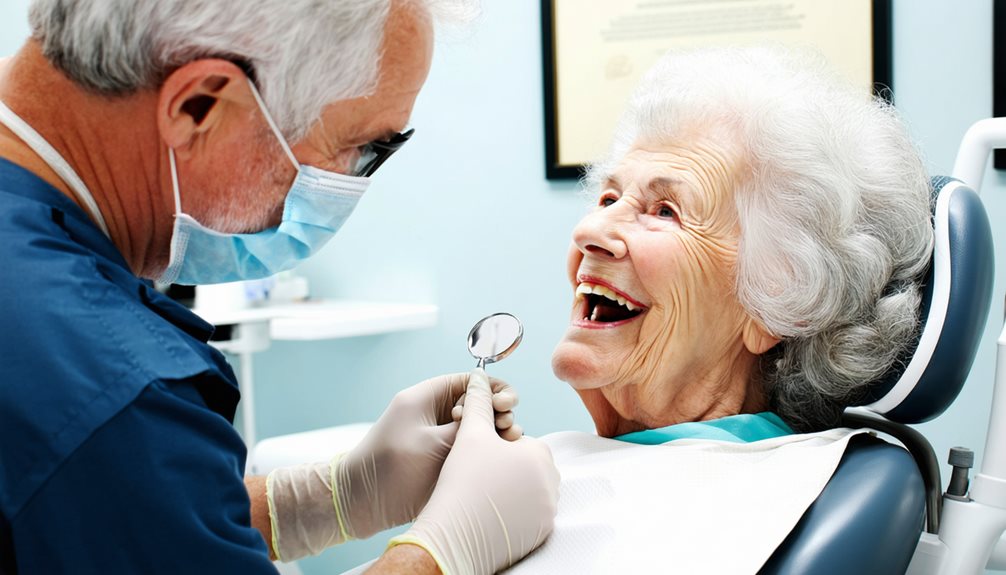
Finding top geriatric dentists who accept Medicare is pivotal for maintaining oral health in seniors, addressing unique challenges such as dry mouth and gum disease. Begin by exploring Medicare Advantage plans, as they often include dental benefits, unlike Parts A and B. Utilize the Medicare website and trusted local resources to locate qualified providers in your vicinity. Prioritize dentists who specialize in geriatric care and use advanced technology to enhance comfort and outcomes. Evaluating patient reviews can offer insights into their communication skills and compassionate approach. Learning more about coverage options and top practices can guarantee thorough dental care tailored to senior needs.
Importance of Geriatric Dental Care
As we age, maintaining oral health becomes increasingly significant, underscoring the importance of geriatric dental care. For the aging population, oral health is not merely about aesthetics but is integral to overall well-being, affecting nutrition, systemic health, and quality of life.
The elderly often encounter unique dental challenges, such as dry mouth, root decay, and gum disease, exacerbated by chronic conditions and medications. Accordingly, tailored dental care is paramount in addressing these specific needs and preventing further complications.
The aging population necessitates innovative approaches to dental care that are both accessible and efficient. Advances in dental technology, such as laser treatments and minimally invasive procedures, offer promising solutions that can enhance the comfort and outcomes for older adults.
In addition, geriatric dental care involves a multidisciplinary approach, coordinating with healthcare providers to guarantee thorough management of the elderly’s oral and overall health.
Promoting oral health in older adults requires a proactive stance, emphasizing regular dental check-ups and personalized care plans. By focusing on preventive measures and timely interventions, geriatric dental care not only improves oral health but also contributes to a healthier, more vibrant aging population, ultimately enhancing their independence and quality of life.
Finding Medicare-Approved Dentists
Maneuvering through the world of Medicare-approved dental care requires a clear understanding of Medicare coverage basics, which can greatly impact the selection of suitable providers.
Locating local dentists who accept Medicare involves utilizing online directories and contacting dental offices directly to confirm their participation in the program.
In addition, vetting these practices by considering patient reviews and their specializations in geriatric care guarantees that individuals receive high-quality, appropriate dental treatment.
Medicare Coverage Basics
Understanding the intricacies of Medicare coverage can greatly impact your ability to access quality dental care, particularly when it comes to finding a geriatric dentist who accepts Medicare. Maneuvering through Medicare’s complexities begins with understanding the scope of coverage. While Medicare primarily focuses on medical needs, dental coverage is limited, often leaving beneficiaries unsure about their options.
Let’s explore the essentials of Medicare coverage as it pertains to dental care.
-
Medicare Eligibility**: Before investigating dental benefits**, verify you’re eligible for Medicare. Generally, individuals aged 65 or older, certain younger people with disabilities, and those with End-Stage Renal Disease qualify.
-
Standard Coverage Limitations**: Medicare Parts A and B do not cover routine dental procedures** such as cleanings, fillings, or dentures. Awareness of these limitations is vital for planning your dental care.
-
Medicare Advantage Plans: Some Medicare Advantage Plans (Part C) may offer dental benefits. Research and compare plans to identify potential coverage for specific dental procedures suitable for geriatric needs.
-
Medicare Supplement Plans: Also known as Medigap, these plans might assist with costs not covered by standard Medicare, although they generally do not extend to dental services.
Arming yourself with this knowledge helps in making informed decisions concerning geriatric dental care within the framework of Medicare.
Finding Local Providers
A thorough understanding of Medicare’s limitations in dental coverage naturally leads to the next step: locating geriatric dentists who accept Medicare. Steering through this process can be challenging, but leveraging local resources and technology can greatly simplify the search.
A strategic starting point is the Medicare website itself, which offers a detailed provider directory to help identify nearby dental professionals who participate in Medicare Advantage plans. These directories are invaluable, offering a tailored list of providers based on specific geographic locations and plan types.
Beyond the official Medicare website, local resources such as community health centers and Area Agencies on Aging can provide insights into regional dental services. These organizations often maintain updated lists of Medicare-approved dental providers and can offer personalized assistance to seniors seeking care.
In addition, online platforms and apps designed to connect patients with healthcare providers are burgeoning in popularity, streamlining the search process with user-friendly interfaces and real-time availability updates.
Harnessing these tools not only facilitates the discovery of local geriatric dentists but also empowers seniors to make informed decisions about their dental health, embracing innovative solutions that cater to their unique needs and preferences.
Vetting Dental Practices
How can seniors guarantee they choose the right dental practice when seeking Medicare-approved services? The vetting process is essential to ascertain quality care and cost-effectiveness. By employing a strategic approach, seniors can pinpoint dental practices that align with their healthcare needs and Medicare coverage. Here is a concise guide to streamline this process:
-
Verify Medicare Acceptance: Begin by confirming that the dental practice explicitly accepts Medicare, as this guarantees coverage and minimizes unexpected expenses. Contact the practice directly to verify their Medicare status.
-
Assess Practice Reputation: A practice’s reputation can be a strong indicator of the quality of care. Seek out reviews and testimonials from previous patients, and consult online forums to gather insights into patient satisfaction and service excellence.
-
Check Credentials and Specializations: Investigate the dentist’s credentials, focusing on any specializations in geriatric care. This assures the practice is equipped to address age-specific dental issues with expertise.
-
Evaluate Technological Advancements: Consider practices that incorporate innovative dental technologies. Modern equipment and procedures can enhance the quality of care, leading to more effective treatments and improved patient experiences.
Criteria for Top Dentist Selection
Selecting top geriatric dentists involves a multifaceted evaluation process that guarantees the highest standards of care for elderly patients. A vital criterion is the enhancement of patient experience, essential for a demographic often dealing with complex dental needs.
Top dentists should exhibit a profound understanding of geriatric care, ensuring comfort and empathy throughout the dental journey. They are adept at communicating procedures clearly to minimize anxiety, fostering a welcoming environment that respects the unique concerns of older adults.
In addition, the integration of advanced dental technology is paramount. Innovative tools and techniques not only improve diagnostic precision but also enhance treatment outcomes, catering specifically to age-related dental challenges.
Cutting-edge technology such as digital radiography, laser therapy, and computer-aided design/computer-aided manufacturing (CAD/CAM) systems are indicative of a practice’s commitment to providing state-of-the-art care.
Moreover, a top geriatric dentist should possess a verifiable track record of excellence, demonstrated through continued professional development and positive patient testimonials. Their ability to collaborate with other healthcare professionals is essential, ensuring thorough care that addresses the multifaceted health concerns of elderly patients.
Consequently, these criteria collectively shape the selection of top-tier dentists committed to improving the oral health and overall well-being of the geriatric population.
List of Top Geriatric Dentists
In identifying the top geriatric dentists accepting Medicare, it is essential to highlight those who offer thorough care services tailored to the unique needs of older adults.
These professionals are distinguished not only by their specialized treatment techniques but also by their adeptness in maneuvering Medicare coverage options, ensuring accessible and affordable care.
The following list showcases practitioners who excel in these areas, providing exceptional dental health solutions for the elderly population.
Comprehensive Care Services
Maneuvering the landscape of dental care for seniors, especially those accepting Medicare, can be a complex task, but certain practitioners stand out for their extensive care services.
These top-tier dentists not only focus on geriatric oral health but also emphasize preventive dental services to guarantee their patients maintain ideal oral hygiene. By integrating all-encompassing care into their practices, these professionals address the multifaceted needs of seniors, enhancing both health and quality of life.
To help you navigate, here is a list of exceptional geriatric dentists renowned for their all-encompassing care services:
-
Dr.
Emily Carter: Known for her innovative approach to preventive dental services, Dr.Related ContentCarter’s practice includes routine cleanings, fluoride treatments, and customized oral hygiene plans tailored specifically for seniors.This may also be of interest to you -
Dr. John Nguyen: With a commitment to geriatric oral health, Dr. Nguyen offers thorough assessments and personalized treatment plans, guaranteeing each patient receives the attention they deserve.
-
Dr. Linda Martinez: A leader in preventive care, Dr. Martinez focuses on maintaining oral health through education, regular check-ups, and preventative interventions.
-
Dr. Robert Thompson: Renowned for his holistic care strategies, Dr. Thompson integrates nutrition and lifestyle advice with traditional dental care, fostering a all-encompassing approach to oral health.
These dedicated professionals exemplify the best in senior dental care, providing invaluable services that align with Medicare benefits.
Specialized Treatment Techniques
Among the myriad of dental professionals, some geriatric dentists distinguish themselves through their specialized treatment techniques tailored specifically for seniors.
These experts utilize advanced methods that address age-related considerations, guaranteeing ideal oral health outcomes for their elderly patients. Recognizing that seniors often face unique dental challenges, such as reduced salivary flow, gum recession, and increased tooth sensitivity, these dentists employ specialized procedures to mitigate these issues effectively.
For instance, they may integrate minimally invasive techniques that prioritize preserving the natural structure of aging teeth. Innovative tools like laser dentistry can be employed to reduce discomfort and accelerate healing.
Additionally, customized prosthetics and dentures are crafted with precision to enhance comfort and functionality, addressing the anatomical changes that occur with age.
Moreover, these geriatric dentists are adept at managing the complexities of treating patients with systemic conditions, such as diabetes or osteoporosis, which can influence dental health.
Medicare Coverage Options
Steering through the landscape of Medicare coverage options for senior dental care can be a challenging task, yet it is crucial for ensuring access to necessary treatments. Understanding Medicare eligibility and coverage limitations is important for seniors seeking dental services.
While traditional Medicare does not cover most dental care, there are options available to bridge this gap.
-
Medicare Advantage Plans (Part C): These plans are offered by private insurers and often include dental coverage. They can cover routine dental exams, cleanings, and sometimes more extensive procedures, making them a viable choice for seniors.
-
Medicare Supplement Plans (Medigap): While Medigap itself does not cover dental, it can be paired with standalone dental insurance plans to provide thorough coverage. This combination can help mitigate out-of-pocket expenses.
-
Standalone Dental Insurance: These plans can be purchased separately and tailored to meet individual dental needs. They offer varying levels of coverage, from basic preventive care to more thorough options.
-
Discount Dental Plans: These are not insurance but provide discounts on dental services through a network of dentists. They can be a cost-effective alternative for seniors needing affordable dental care.
Benefits of Medicare Coverage
Managing the complexities of healthcare in one’s senior years can often be intimidating, but the benefits of Medicare coverage offer a significant relief for many elderly individuals, particularly when it comes to dental care.
While traditional Medicare does not cover most dental services, innovative solutions within Medicare Advantage plans have expanded access to essential dental coverage. These plans can include a variety of services such as routine cleanings, exams, and even more complex procedures like dentures and extractions, showcasing a commitment to thorough care.
Medicare benefits provide seniors with a financial safety net, reducing the out-of-pocket expenses that often deter necessary dental visits. By integrating dental health into broader healthcare coverage, Medicare Advantage plans acknowledge the critical link between oral health and overall well-being. This alignment encourages preventive care, which can lead to early detection of issues, potentially averting more severe health problems.
Moreover, the ease of accessing these benefits through a network of skilled geriatric dentists who accept Medicare guarantees that seniors receive specialized attention tailored to their unique needs.
This integration not only enhances the quality of life for older adults but also fosters a progressive approach to healthcare, emphasizing the importance of maintaining oral health as a fundamental aspect of aging well.
Tips for Choosing the Right Dentist
Selecting the right dentist for your geriatric needs involves several critical considerations to guarantee ideal oral healthcare.
As innovations in dentistry continue to evolve, it becomes increasingly important to choose a professional who not only addresses medical requirements but also prioritizes patient comfort and minimizes dental anxiety.
Here are essential tips to guide your selection:
-
Specialization in Geriatric Dentistry: Verify the dentist has specific training and experience in geriatric care. This specialization means they understand age-related dental issues and can offer tailored treatments that align with your unique needs.
-
Compassionate Approach: Look for a dentist who emphasizes patient comfort and effectively addresses dental anxiety. A compassionate approach can transform the dental experience, making it more pleasant and less stressful.
-
Innovative Techniques and Technology: Opt for a dentist who employs the latest technology and innovative techniques. This approach not only enhances treatment outcomes but also guarantees procedures are efficient and comfortable.
-
Medicare Acceptance: Confirm the dentist accepts Medicare, which can greatly reduce out-of-pocket expenses. This financial consideration guarantees that quality care is accessible without undue financial strain.
Frequently Asked Questions
How Often Should Seniors Visit the Dentist?
Seniors should schedule regular check-ups every six months to guarantee ideal oral hygiene. Routine visits allow early detection of dental issues, contributing to overall health and enhancing oral care through innovative practices tailored to geriatric needs.
Can Medicare Cover Dental Emergencies for Seniors?
Medicare coverage generally excludes routine dental services, but may cover a dental emergency if it is integral to a covered medical procedure. Seniors should explore innovative dental plans or supplemental insurance for extensive emergency coverage.
Are There Alternative Payment Options for Non-Covered Services?
For non-covered dental services, alternative financing options include dental insurance plans offering extensive coverage and flexible payment arrangements. Patients may also explore innovative subscription-based models or health savings accounts to manage out-of-pocket expenses effectively.
What Dental Services Are Typically Excluded From Medicare Coverage?
Medicare typically excludes coverage for dental implants and periodontal treatments. These services are often considered elective or routine dental care, which falls outside Medicare’s purview, primarily covering medically necessary procedures related to oral health.
How Can Seniors Maintain Oral Health Between Dental Visits?
Seniors can maintain oral health between dental visits by adhering to a rigorous daily oral hygiene routine and consuming a nutritious diet. Embracing innovative dental tools and techniques can further enhance their overall oral care regimen.
Conclusion
The exploration of geriatric dental care underscores its significance in maintaining overall health in older adults. Identifying Medicare-approved dentists who meet specific quality criteria guarantees access to top-tier dental services. The listed top geriatric dentists exemplify excellence in providing specialized care. Medicare coverage offers substantial benefits, alleviating financial burdens associated with dental treatments. Employing strategic tips for selecting a dentist enhances patient satisfaction and outcomes, thereby promoting better oral health and well-being among the elderly population.

