
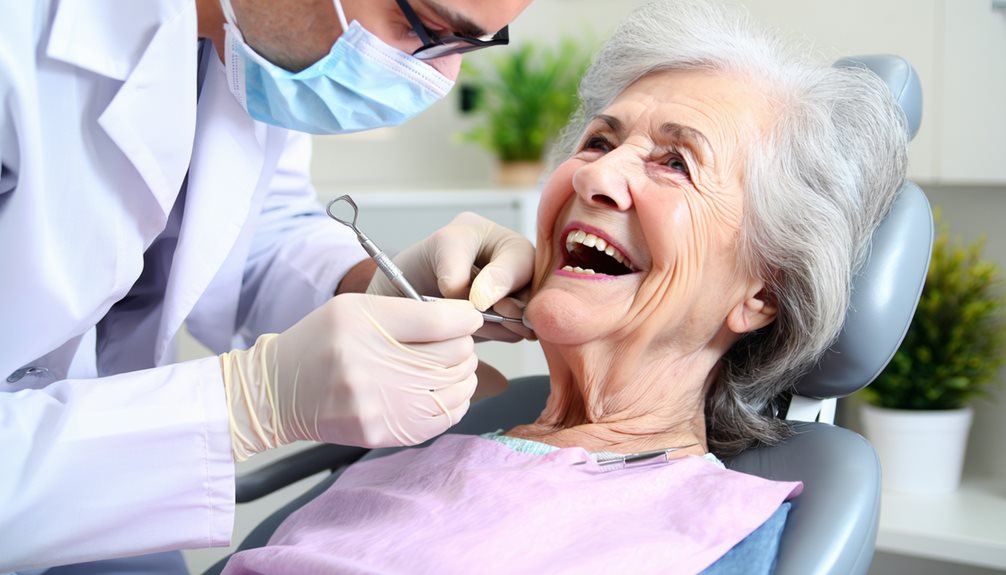
Caring for Parkinson’s patients involves meticulous attention to their dental needs. Oral health is essential for overall well-being, necessitating frequent dental check-ups to detect and address issues early. Challenges such as speech difficulties, cognitive impairments, and tremors can impede routine care and require tailored strategies. Specialized tools, like electric toothbrushes with large handles, aid in overcoming motor limitations. Selecting a dentist with expertise in geriatric and Parkinson’s care guarantees compassionate, effective treatment. Thoughtful preparation for dental visits, including flexible scheduling and coordination of transportation, enhances the experience. Continuing to explore this guide will disclose more strategies for managing oral health effectively.
Importance of Oral Health
Addressing oral health is an essential component of the extensive care for Parkinson’s patients. As the disease progresses, maintaining effective oral hygiene becomes increasingly challenging due to motor control difficulties and medication side effects. Ensuring ideal oral health requires a compassionate, innovative approach that integrates dental education tailored to the unique needs of Parkinson’s patients.
Patients and caregivers must be equipped with thorough knowledge about oral hygiene practices. This includes understanding the importance of regular brushing and flossing, alongside techniques adapted to accommodate tremors and reduced dexterity.
Creative solutions, such as electric toothbrushes with modified grips and specialized flossing tools, can empower patients to maintain autonomy in their oral care routines, fostering dignity and self-reliance.
Furthermore, dental education should incorporate guidance on the impact of dietary choices, medication regimens, and the necessity of regular dental check-ups.
Challenges in Dental Care
While the importance of oral health in Parkinson’s care is well recognized, various challenges hinder its effective management. Among these, communication barriers present a notable hurdle. Parkinson’s patients often experience speech difficulties, making it challenging for them to articulate discomfort or specific oral health issues. This impediment calls for innovative, patient-centered approaches that go beyond traditional communication methods, such as visual aids or digital platforms, to facilitate better interaction between patients and dental care providers.
Cognitive impairments associated with Parkinson’s further complicate dental care. Patients may struggle with memory, judgment, and problem-solving tasks, affecting their ability to follow oral hygiene routines or remember dental appointments. These cognitive challenges necessitate the development of adaptive strategies that simplify dental care routines and incorporate reminders or supportive tools to aid memory and adherence.
Moreover, the physical manifestations of Parkinson’s, like tremors and rigidity, can make daily oral hygiene practices arduous, requiring tailored assistance or adaptive devices.
As these challenges persist, the demand for innovative solutions that integrate technology, empathy, and multidisciplinary collaboration grows. By addressing these barriers with creative, patient-focused interventions, the dental profession can notably enhance the quality of oral health care for Parkinson’s patients, ensuring their comfort and well-being.
Specialized Dental Techniques
In the domain of dental care for Parkinson’s patients, specialized techniques play an essential role in overcoming the unique challenges these individuals face. As motor control diminishes, routine oral hygiene becomes increasingly difficult, necessitating tailored approaches that prioritize patient comfort and safety.
Dental sedation emerges as a pivotal technique, allowing patients to undergo necessary procedures with reduced anxiety and discomfort. By employing sedation, dental professionals can perform complex treatments efficiently, minimizing stress for patients whose involuntary movements might otherwise complicate care.
Moreover, innovative tools and modified equipment have been designed to accommodate the needs of Parkinson’s patients. Electric toothbrushes with larger handles can aid in maintaining oral hygiene by compensating for limited dexterity, while water flossers offer an alternative to traditional flossing, which may be challenging for those with tremors.
In addition, dental practitioners are integrating assistive technologies that provide reminders and guidance, supporting caregivers and patients in maintaining consistent oral care routines.
Ultimately, these specialized techniques reflect a commitment to enhancing the quality of life for Parkinson’s patients through empathetic, patient-centered care. By embracing innovation and adapting traditional methods, dental professionals can guarantee that every individual receives the thorough care they deserve.
Choosing the Right Dentist
Selecting the right dentist for a Parkinson’s patient is essential to ensuring effective and compassionate oral healthcare. This choice becomes pivotal as it influences the quality of care and the comfort experienced during dental visits.
When evaluating dentist qualifications, it is important to seek professionals who demonstrate a thorough understanding of geriatric dentistry and the unique challenges posed by Parkinson’s disease. These specialists are not only equipped with technical skills but also possess the empathy required to address the specific needs of their patients.
Patient communication is another cornerstone in selecting an appropriate dental care provider. A dentist who excels in this domain will exhibit patience and articulate information clearly, ensuring that both patients and caregivers are fully informed about treatment plans and procedures. Effective communication fosters trust and eases the anxiety often associated with dental visits for Parkinson’s patients.
Additionally, innovative practices, such as the use of adaptive equipment and techniques tailored to accommodate motor function limitations, should be considered. This forward-thinking approach can greatly enhance the dental experience by promoting comfort and accessibility.
Ultimately, choosing a dentist with the right qualifications and communication skills can profoundly impact the oral health and overall well-being of Parkinson’s patients.
Dental Visit Preparation
Preparing for a dental visit involves thoughtful planning to guarantee the comfort and well-being of patients with Parkinson’s disease.
It is essential to coordinate scheduling and transportation to accommodate any mobility challenges, assuring timely and stress-free attendance.
Additionally, providing the dental team with an extensive list of medications and pertinent health information can facilitate personalized care and prevent potential complications.
Scheduling and Transportation Assistance
Coordinating dental appointments for Parkinson’s patients requires a well-organized approach that addresses both scheduling intricacies and transportation needs.
It is important to recognize the significance of scheduling flexibility to accommodate the unpredictable nature of Parkinson’s symptoms. This may involve coordinating with dental offices that offer adaptable appointment times, enabling adjustments as needed. By fostering a proactive communication pathway, caregivers and dental staff can guarantee that appointments are set at times when the patient is at their best level of comfort and functionality.
Transportation options play an essential role in making sure that Parkinson’s patients can attend dental visits with ease.
Innovative solutions, such as ride-sharing services tailored for medical appointments or community-based transport programs, can provide reliable and accessible options for those who need support.
Medication and Health Information
When preparing for a dental visit, understanding the interplay between medication regimens and overall health information is significant for Parkinson’s patients. A thorough medication management plan must be in place, as many Parkinson’s medications can influence dental health, potentially causing dry mouth or interactions with local anesthetics.
Making certain the dental team is well-informed about the patient’s current medications allows for tailored treatment that minimizes risks while maximizing care outcomes.
Innovative health monitoring tools can play an essential role in tracking the patient’s condition and any potential dental implications. Technologies such as digital health apps can assist in maintaining an up-to-date record of medication schedules and health metrics, providing the dental team with critical insights into the patient’s overall health status.
This proactive approach to health monitoring not only enhances the quality of dental care but also empowers patients and caregivers with greater control over their health management.
Moreover, open communication between dental professionals, neurologists, and primary caregivers is important to align treatment plans seamlessly. By fostering a collaborative environment, we can make certain that the unique needs of Parkinson’s patients are met with precision, empathy, and an innovative spirit, ultimately improving their quality of life.
Long-term Oral Care Strategies
Ensuring long-term oral health for individuals with Parkinson’s disease requires a multifaceted approach that includes regular dental check-ups, personalized oral hygiene routines, and the use of adaptive dental tools tailored to meet the unique needs of each patient.
Regular visits to the dentist can help monitor and address any emerging dental issues promptly, while customized oral care plans can enhance daily hygiene practices, accommodating challenges such as tremors or dexterity limitations.
Additionally, adaptive tools—such as electric toothbrushes and specially designed flossers—can empower patients to maintain their oral health with greater ease and independence.
Regular Dental Check-ups
Maintaining ideal oral health is a vital component of long-term care strategies for individuals living with Parkinson’s disease. Regular dental check-ups play a pivotal role in preventive care, helping to identify and address oral health issues before they escalate. These visits offer an opportunity for patient education, empowering Parkinson’s patients and their caregivers with knowledge about how to manage unique oral health challenges associated with the disease.
By understanding the potential impacts of Parkinson’s on oral health, patients can better tailor their daily routines to mitigate risks.
Empathy and innovation in dental care are essential as patients with Parkinson’s may face unique challenges, such as tremors, muscle rigidity, and medication side effects, all of which can complicate oral hygiene. Dental professionals should adopt a patient-centered approach, ensuring that each check-up is customized to the patient’s evolving needs. This might include recommendations for adaptive devices or techniques to facilitate easier oral care practices at home.
Furthermore, consistent communication between dental teams and neurological specialists can enhance overall care, ensuring that oral health strategies are integrated seamlessly into the broader management plan for Parkinson’s.
Regular check-ups not only maintain oral health but also contribute to overall well-being and quality of life.
Customized Oral Hygiene
How can Parkinson’s patients optimize their oral hygiene routine to accommodate the challenges posed by their condition? The journey towards maintaining oral health with Parkinson’s demands a thoughtful, personalized approach.
Tremors, rigidity, and reduced dexterity often complicate traditional oral care techniques, necessitating innovative solutions. Personalized toothbrushes, designed with ergonomic handles or adaptive bristles, can notably enhance grip and ease of use, fostering independence in daily brushing routines. These tools cater to the unique needs of each patient, ensuring effective plaque removal and gum care.
In parallel, the integration of tailored mouthwash solutions is essential. Such formulations not only address common oral health issues like dry mouth and sensitivity but also take into consideration the specific needs associated with Parkinson’s, such as minimizing excessive drooling. These mouthwashes can be formulated with soothing agents, providing comfort and ensuring compliance with oral care regimens.
Furthermore, establishing a consistent oral hygiene schedule is vital. This routine should be adaptable, allowing for flexibility should physical symptoms fluctuate.
Adaptive Dental Tools
Recognizing the unique challenges faced by Parkinson’s patients, adaptive dental tools play an essential role in long-term oral care strategies. These tools are thoughtfully designed to address the motor difficulties and tremors common in Parkinson’s, thereby enhancing patients’ ability to maintain oral hygiene independently.
Adaptive utensils, such as specialized toothbrushes with ergonomic handles, provide more control and comfort, reducing the strain on muscles and joints during use. Ergonomic handles are crafted to fit naturally in the hand, offering a secure grip that minimizes the risk of slippage, an essential feature for individuals with compromised dexterity.
In addition, these adaptive tools often incorporate innovative design elements like angled heads and oversized handles, tailored to accommodate the unique needs of those with limited range of motion or hand strength.
Moreover, electric toothbrushes with built-in timers and gentle vibration settings can greatly aid in achieving thorough cleaning, ensuring that Parkinson’s patients maintain peak oral health with minimal effort.
The adoption of these adaptive dental tools not only empowers patients by fostering a sense of independence but also promotes better long-term oral health outcomes, aligning with a compassionate, patient-centered approach to geriatric dental care.
Frequently Asked Questions
How Can Medication Side Effects Impact Oral Health in Parkinson’s Patients?
Medication interactions in Parkinson’s patients can exacerbate oral dryness, leading to significant oral health challenges. This underscores the importance of innovative, patient-centered approaches to mitigate these effects, ensuring thorough, empathetic dental care for improved quality of life.
What Are the Signs of Dental Anxiety in Parkinson’s Patients?
Signs of dental anxiety in Parkinson’s patients may include heightened stress indicators, such as increased tremors, muscle rigidity, or sweating. Dental phobia can exacerbate these symptoms, necessitating innovative, patient-centered approaches to guarantee comfort and effective care.
How Does Parkinson’s Disease Affect the Ability to Maintain Oral Hygiene?
Parkinson’s disease presents oral hygiene challenges due to motor skill difficulties, impairing patients’ ability to perform precise oral care tasks. Innovative tools and techniques can empower patients, ensuring ideal oral health despite these functional limitations.
Are There Dietary Changes That Can Improve Oral Health in Parkinson’s Patients?
Dietary modifications, such as increasing fiber and hydration, can enhance nutrient absorption and improve oral health in Parkinson’s patients. Incorporating antioxidant-rich foods may also reduce inflammation, promoting better oral hygiene and overall well-being in this population.
What Role Do Caregivers Play in Ensuring Proper Dental Care for Parkinson’s Patients?
Caregivers play a critical role in ensuring proper dental care for Parkinson’s patients by overseeing oral hygiene routines, facilitating patient communication with dental professionals, and adapting innovative techniques to accommodate patients’ specific needs, thereby enhancing overall health outcomes.
Conclusion
In summary, optimizing oral health for individuals with Parkinson’s disease necessitates a thorough approach that addresses the unique challenges faced in geriatric dentistry. Employing specialized techniques and selecting a dentist skilled in accommodating neurological conditions are essential components. Adequate preparation for dental visits and the implementation of long-term oral care strategies guarantee the maintenance of oral health, greatly contributing to overall well-being and quality of life for Parkinson’s patients. An empathetic, patient-centered approach remains paramount in delivering effective care.

