
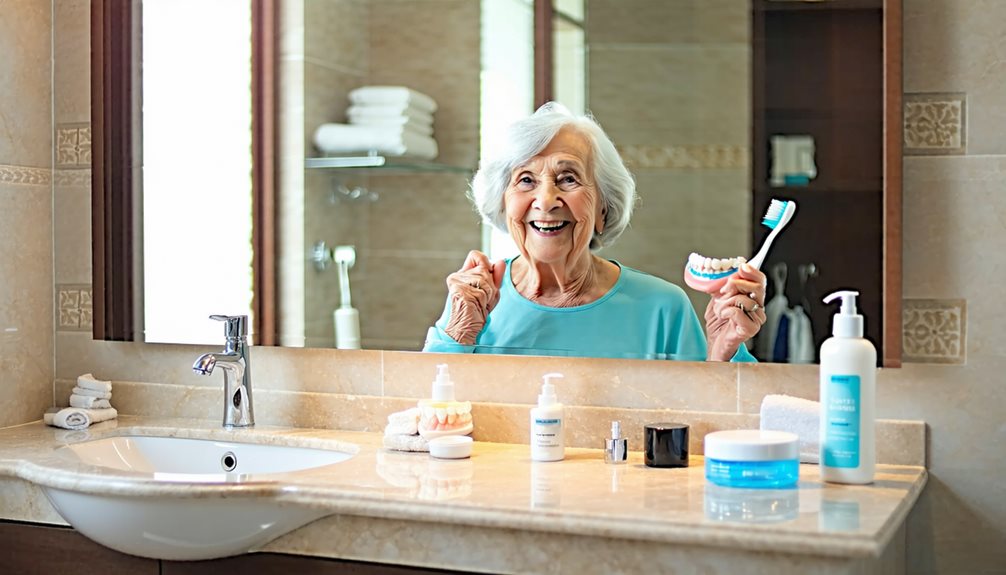
Seniors with dentures should prioritize choosing the right denture materials, such as acrylic resin for its lightweight properties or porcelain for stain resistance. Proper cleaning techniques, including using a non-abrasive cleanser and soaking dentures overnight, are imperative to maintain hygiene and prevent damage. Ensuring a proper fit through regular professional adjustments can alleviate discomfort and prevent irritation. Nutritional considerations, including a balanced diet with gentle foods, support overall health and denture comfort. Routine dental check-ups facilitate the early detection of oral health issues. More insights into optimizing denture care can greatly enhance quality of life for seniors.
Choosing the Right Dentures
Selecting appropriate dentures is essential for guaranteeing ideal oral health and functionality in seniors. The process involves an extensive evaluation of individual oral conditions, preferences, and the latest advancements in dental technology.
Denture materials play a pivotal role in determining the comfort, durability, and aesthetics of the prosthesis. Commonly used materials include acrylic resin, known for its lightweight and moldable properties, and porcelain, favored for its natural appearance and stain resistance. Recent innovations have introduced flexible denture materials, offering enhanced comfort and adaptability to the oral cavity’s unique contours.
Denture types are another critical consideration, with options ranging from complete and partial dentures to implant-supported overdentures. Complete dentures are suitable for edentulous patients, providing full arch replacement, whereas partial dentures are designed to fill gaps created by missing teeth, preserving existing dentition.
Implant-supported overdentures represent a cutting-edge solution, offering improved stability and functionality by anchoring the prosthesis to strategically placed dental implants.
An evidence-based approach to selecting dentures guarantees favorable outcomes, fostering improved mastication, speech, and aesthetics. As the field of prosthodontics continues to evolve, embracing innovative solutions and materials can greatly enhance the quality of life for seniors requiring dentures.
Proper Cleaning Techniques
Maintaining ideal oral hygiene is paramount for individuals with dentures, as it prevents complications such as irritation, infections, and malodor. A rigorous cleaning regimen can greatly enhance the longevity and function of dentures.
Denture brushes, specifically designed with soft bristles and ergonomic handles, are essential for the effective removal of debris and plaque from the denture surfaces. Coupled with appropriate cleaning solutions, these tools can optimize cleanliness and guarantee that dentures remain free from harmful microorganisms.
Evidence-based approaches recommend the following practices for optimum denture maintenance:
- Daily Cleaning: Utilize a denture brush and a non-abrasive cleanser every day to meticulously clean all surfaces.
- Soaking Overnight: Immerse dentures in a recommended cleaning solution overnight to maintain moisture and prevent warping.
- Rinsing After Meals: Rinse dentures with water after eating to remove food particles and reduce bacterial load.
- Avoiding Whitening Toothpaste: Steer clear of whitening pastes which may contain abrasives that damage denture materials.
- Regular Professional Check-Ups: Schedule periodic evaluations with dental practitioners to assess denture fit and cleanliness.
Implementing these techniques not only promotes oral health but also guarantees the denture’s functional integrity, catering to an innovative and proactive approach towards dental well-being.
Handling Denture Discomfort
Addressing denture discomfort is essential for maintaining oral health and quality of life in seniors.
Ensuring a proper fit is critical, as ill-fitting dentures can lead to irritation and pressure sores, which require timely management to prevent further complications.
Additionally, patients should be guided through the adaptation process to accommodate oral changes, utilizing soothing methods and professional adjustments as necessary.
Proper Fit Importance
An ideal fit is essential in minimizing denture discomfort, a common concern among seniors. The significance of precise denture adjustments cannot be overstated, as ill-fitting dentures may lead to mucosal irritation, compromised mastication, and potential oral lesions.
Engaging with fitting professionals is vital, as they bring advanced methodologies and innovative tools to guarantee superior results. An evidence-based approach to proper denture fit emphasizes the necessity of continual evaluation and adjustment.
A well-fitting denture offers numerous benefits, including:
- Enhanced comfort: Proper fit reduces friction and pressure points, promoting overall oral health.
- Improved function: A snug fit enhances the efficacy of chewing and speech, contributing to nutritional well-being.
- Stability and retention: Customized adjustments facilitate better adhesion and stability, mitigating the risk of dislodgement.
- Aesthetic appeal: Precision in fitting guarantees a natural appearance, boosting patient confidence.
- Long-term satisfaction: Regular evaluations allow timely interventions, prolonging the lifespan of the dentures.
The integration of cutting-edge dental technologies and materials enhances the capacity for bespoke solutions, tailored to individual anatomical variations.
Soothing Sore Spots
Denture discomfort is a prevalent issue among seniors, often manifesting as sore spots that necessitate prompt attention. Addressing these concerns with innovative sore relief and healing methods is essential.
An evidence-based approach begins with identifying pressure areas using a clinically guided assessment. This process involves inspecting the oral mucosa for signs of irritation and applying targeted interventions.
Innovative sore relief can be achieved through pharmacological and non-pharmacological methods. Topical anesthetics, such as benzocaine gels, provide immediate relief by numbing affected areas. Simultaneously, antiseptic mouth rinses can reduce inflammation, promoting an ideal environment for healing.
For non-pharmacological interventions, thermal therapy, such as warm saltwater rinses, can enhance blood circulation, facilitating tissue repair.
Moreover, the integration of cutting-edge technologies, such as laser therapy, offers promising outcomes. Low-level laser therapy (LLLT) has demonstrated efficacy in reducing pain and accelerating healing by enhancing cellular activity.
Additionally, dietary modifications, including increased intake of vitamin-rich foods and hydration, can support mucosal resilience.
Ongoing evaluation by dental professionals guarantees that these healing methods are tailored to individual needs, fostering a comfortable and adaptive experience with dentures. This approach underscores the significance of personalized care in mitigating denture-related discomfort.
Adjusting to Changes
Adjusting to life with dentures involves adapting to various changes in oral function and comfort. Initially, individuals may experience challenges such as altered speech patterns, discomfort during mastication, and changes in taste perception.
These adjustments can impact daily life, including social interactions and psychological well-being. Evidence indicates that proactive management of these changes can greatly enhance adaptation and reduce discomfort.
To effectively manage denture discomfort, consider the following strategies:
- Consultation with dental professionals for personalized adjustments.
- Utilization of denture adhesives to enhance stability and reduce irritation.
- Routine maintenance of dentures to prevent oral lesions and infections.
- Dietary modifications to include softer foods, promoting ease of eating.
- Gradual exposure to new social environments to rebuild confidence.
Social interactions can be particularly intimidating during the initial adjustment phase. Engaging in open communication with peers and family can foster emotional support and alleviate stress.
Additionally, participating in support groups or seeking professional counseling can provide valuable insights and facilitate a smoother adjustment.
Ultimately, understanding that adaptation is an iterative process empowers individuals to embrace change with resilience and optimism, fostering an improved quality of life with dentures.
Nutrition and Denture Care
Proper nutrition and meticulous denture care are integral components of maintaining oral health and overall well-being for seniors. The adoption of a nutritionally balanced diet is essential, as it compensates for any dietary limitations that may arise due to denture use. Nutritional supplements can serve as a beneficial adjunct to traditional dietary intake, guaranteeing adequate levels of essential vitamins and minerals are met.
Seniors should consider incorporating healthy snacks, such as yogurt or soft fruits, which are not only nutrient-dense but also gentle on dentures, thereby minimizing potential discomfort or damage.
Innovative approaches to denture care are equally critical. Dentures must be cleaned daily using specialized solutions, which effectively eliminate bacterial biofilm and prevent oral infections. Additionally, proper storage of dentures overnight in a cleansing solution maintains their structural integrity, enhancing longevity.
It is advisable to guarantee that the fit of the dentures remains ideal to prevent irritation and promote efficient mastication.
Seniors are encouraged to explore emerging technologies in denture materials and design, which offer enhanced comfort and functionality.Regular Dental Check-ups
Maintaining ideal oral health for seniors extends beyond nutrition and denture care; it also necessitates consistent regular dental check-ups. These appointments are pivotal in guaranteeing that dentures function effectively and that oral tissues remain healthy.
Regular oral examinations enable the early detection of potential issues such as gum disease or oral lesions, which can be more prevalent among seniors. Additionally, these check-ups are foundational to sustaining impeccable dental hygiene, as professional cleanings can remove plaque and tartar that might be missed during routine brushing and flossing.
Incorporating regular dental visits into your healthcare routine offers several advantages:
- Early Detection: Identify oral health issues before they escalate into more significant problems.
- Denture Maintenance: Confirm dentures remain a good fit and are free from damage.
- Oral Health Education: Gain insights into the latest dental hygiene practices tailored for denture wearers.
- Prevention: Reduce the risk of systemic conditions linked to poor oral health, such as cardiovascular disease.
- Personalized Care: Receive care customized to individual oral health needs, enhancing overall well-being.
For seniors with dentures, these check-ups are not only a proactive measure but a critical component in maintaining overall systemic health.
As dental technology evolves, these visits provide an opportunity for seniors to access innovative solutions that enhance their quality of life.
Storing Dentures Safely
Ensuring the safe storage of dentures is essential for maintaining their structural integrity and oral hygiene efficacy.
Proper cleaning techniques must be employed to remove bacterial biofilms and debris before storing dentures, as this prevents microbial colonization.
Additionally, utilizing moisture retention methods and appropriate denture storage containers can prevent warping and material degradation, thereby preserving their functional lifespan.
Proper Cleaning Techniques
A crucial aspect of oral health maintenance for denture wearers is the consistent and appropriate cleaning of these dental prosthetics. Effective cleaning techniques are paramount in preventing oral infections, guaranteeing longevity, and maintaining peak functionality of dentures.
Utilizing specialized denture tools, such as non-abrasive brushes and cleaning solutions, is recommended to minimize the risk of surface damage. These tools are specifically designed to clean complex denture shapes and delicate materials, avoiding the pitfalls of conventional toothbrushes and paste, which may scratch or degrade the prosthetics.
Adhering to rigorous cleaning protocols, users can guarantee their dentures remain in pristine condition. Here are some best practices:
- Use a soft-bristled brush designed for dentures to remove food particles and plaque without causing abrasions.
- Employ antimicrobial soaking solutions**** to eliminate bacteria and odors effectively.
- Rinse dentures thoroughly with water after meals to prevent plaque buildup.
- Handle dentures over a soft surface to prevent damage from accidental drops.
- Avoid using hot water as it can warp the denture material.
Moisture Retention Methods
In addition to proper cleaning techniques, safeguarding the structural integrity and functionality of dentures necessitates effective moisture retention strategies. Dentures are susceptible to warping and cracking if not adequately hydrated, which can compromise their fit and comfort.
Evidence-based practices underscore the importance of consistent moisture control to preserve the prosthesis’s material properties and extend its lifespan. Maintaining ideal denture hydration is essential to prevent deformation and bacterial proliferation, consequently ensuring oral health stability.
One advanced method for moisture retention involves submerging dentures in a specialized solution overnight. These solutions are formulated to maintain the acrylic base’s pliability, thereby reducing the risk of structural degradation.
Clinical research has demonstrated that such solutions can enhance moisture absorption, which is pivotal for sustaining the denture’s adaptability to oral tissues.
Furthermore, innovative approaches such as using ultrasonic cleaning devices equipped with hydration features have emerged. These devices not only facilitate thorough cleaning but also contribute to enhanced moisture saturation, thereby improving the denture’s physical integrity.
Denture Storage Containers
Selecting an appropriate denture storage container is critical for maintaining the prosthesis’s hygiene and structural integrity. Proper storage mitigates microbial colonization and prevents physical damage, guaranteeing longevity across various denture types.
Effective storage guidelines emphasize not only the material of the container but also its design to facilitate ideal moisture retention. Innovative denture storage containers are engineered to uphold these principles while integrating user-friendly features.
Key considerations when selecting a denture storage container include:
- Material Composition: Opt for durable, antimicrobial materials to prevent bacterial growth.
- Ventilation: Guarantee adequate airflow to inhibit fungal proliferation while maintaining necessary moisture levels.
- Size Compatibility: Choose a container that accommodates the specific denture type without overcrowding or allowing excessive movement.
- Ease of Cleaning: Select a design that promotes effortless sanitation, reducing the risk of contamination.
- Portability: Consider lightweight and compact designs for convenience in diverse settings, such as travel or healthcare facilities.
Innovative advancements in denture storage containers offer solutions that cater to individual needs, aligning with contemporary storage guidelines.
Frequently Asked Questions
How Can I Improve My Speech With Dentures?
To enhance speech with dentures, engage in targeted speech exercises to strengthen oral musculature. Incorporate pronunciation tips, such as practicing difficult sounds and reading aloud, to facilitate adaptation and improve clarity, promoting innovative communication techniques and confidence.
Are There Any Activities I Should Avoid With Dentures?
It is advisable to avoid activities that compromise denture stability, such as consuming overly sticky or hard foods, which may disrupt eating habits. Additionally, maintaining rigorous oral hygiene is essential to prevent potential denture-related oral health issues.
Can I Wear Dentures While Sleeping?
Wearing dentures during sleep is generally discouraged to promote ideal denture care and maintain sleep hygiene. Removing dentures at night allows oral tissues to recover, reduces bacterial growth, and aligns with innovative approaches to oral health management.
How Often Should I Replace My Dentures?
Denture maintenance is essential for oral health. An evidence-based replacement schedule suggests every 5-7 years to guarantee ideal function and fit. Innovations in dental materials may affect this timeline, necessitating periodic professional evaluation for personalized recommendations.
Are There Natural Remedies for Denture Odor?
Natural remedies for managing denture odor focus on effective denture cleaning and odor prevention. Consider using solutions like diluted vinegar or baking soda, which have mild antibacterial properties, potentially reducing bacterial growth and thereby minimizing unpleasant odors.
Conclusion
In conclusion, ideal denture management for seniors encompasses selecting appropriate dentures, employing effective cleaning methods, and addressing any discomfort associated with denture use. Nutritional considerations play a crucial role in maintaining oral health, necessitating dietary adjustments to accommodate prosthetic devices. Regular dental examinations are essential for monitoring oral condition and ensuring the longevity of dentures. Proper storage techniques further contribute to preserving denture integrity. Collectively, these strategies promote improved oral health outcomes and quality of life for seniors utilizing dentures.

